
Bourbon was something I discovered later in my whisky journey. For years, Scotch dominated my cabinet, but once I tried the Maker’s Mark bourbon, I was hooked. I started paying much closer attention to American whiskey. The sweeter profile, rich vanilla notes, and toasted oak character immediately appealed to my palate, opening the door to a whole new category of whiskey.
Today, I am comparing two of the biggest names in bourbon: Maker’s Mark vs Buffalo Trace whiskey. These are two accessible, highly respected Kentucky straight bourbons that regularly appear on “best bourbon for beginners” lists, yet they offer surprisingly different drinking experiences.
Buffalo Trace Bourbon Whiskey
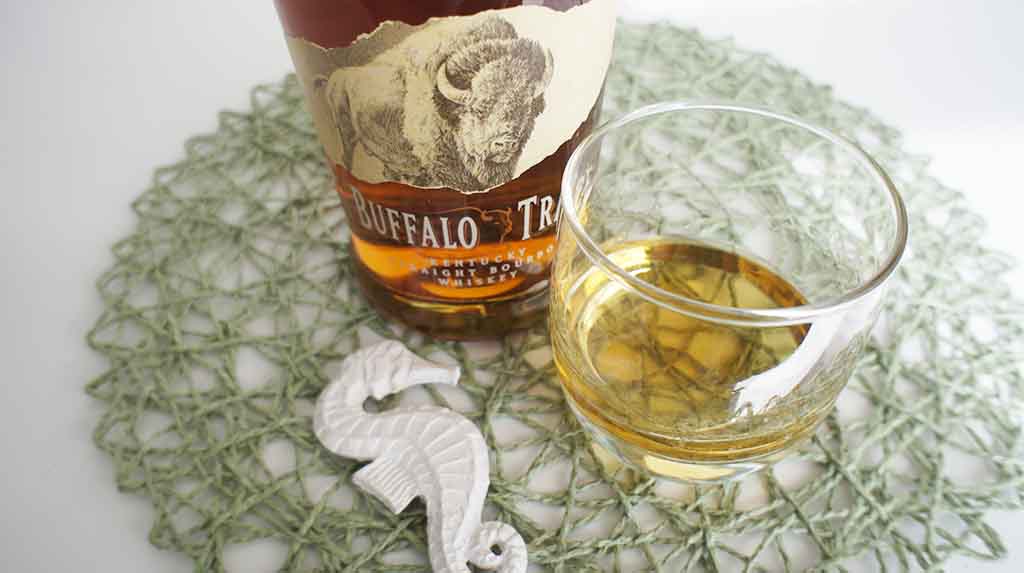
Buffalo Trace bourbon is produced at the famous Buffalo Trace Distillery in Frankfort, Kentucky. The site dates back to the early 1800s, with Harrison Blanton constructing one of the first official distilleries there around 1812. Today, the Sazerac Company owns the distillery. They also own sought-after bourbon brands such as Blanton’s and Eagle Rare bourbon.
The bourbon itself takes its name from the ancient buffalo trails that crossed the American frontier, paying tribute to the pioneers and explorers who followed those routes westward. This release pairs well with pulled pork, mimolette cheese and chocolate peanut butter cups.
Also Read: Jameson vs Johnnie Walker Black Label Whisky
Maker’s Mark Bourbon Whiskey
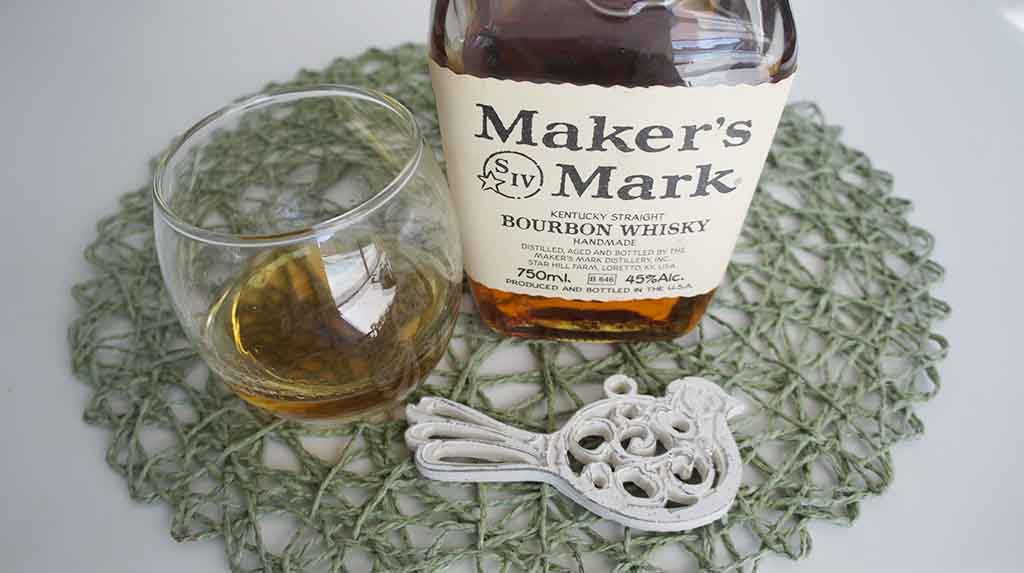
Maker’s Mark bourbon, meanwhile, is distilled in Loretto, Kentucky by Beam Suntory. Production began in 1954 after William Samuels Sr. purchased the old Burks’ Distillery. The brand’s iconic identity was shaped heavily by his wife, Marjorie Samuels.
She not only named Maker’s Mark but also designed the now-famous label and distinctive hand-dipped red wax seal. That red wax top remains one of the most recognisable bottle designs in the whiskey world. This bourbon pairs well with smoky BBQ, pecan pie and spaghetti and meatballs.
Neither bourbon carries an official age statement. Maker’s Mark is typically bottled at around six years old when the tasting team believes it has reached the desired flavour profile.
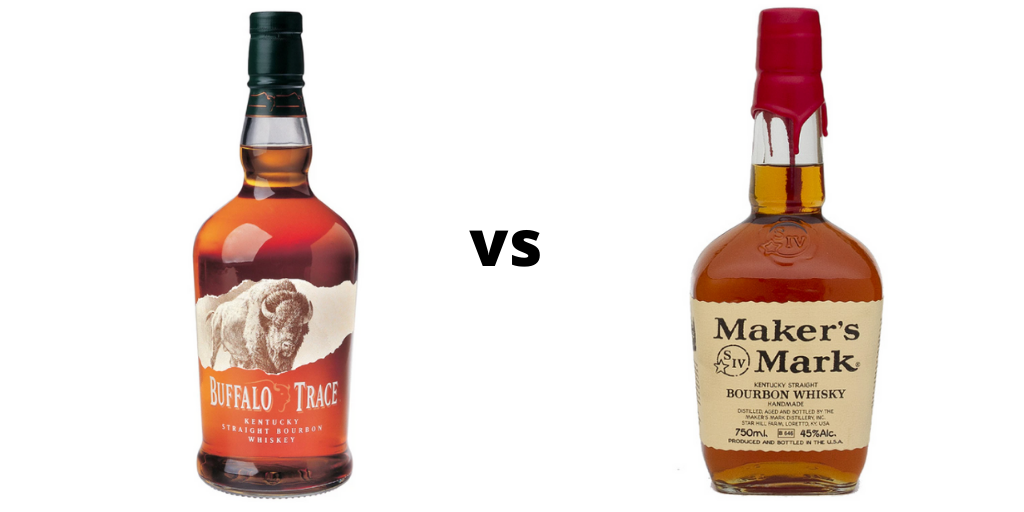
Buffalo Trace vs Maker’s Mark Bourbon
| Buffalo Trace | Maker's Mark | |
|---|---|---|
| Type | Bourbon whiskey | Bourbon whiskey |
| ABV | 45% | 45% |
| Colour | A reddish copper | Light golden copper |
| Nose | Fruity sweetness, rich and bold. There are hints of candied fruit, caramel, vanilla, brandy pudding and oak. Bits of spice float in the background. | Cherries, brandied fruit, toasted wood and vanilla spice. Adding a few drops of water brings out more spice and woody notes. |
| Palate | There are notes of fruit, orange marmalade, white pepper and oak. Bits of cinnamon with toasted oak. Water tones down the spice. | Full of vanilla, followed by sweet cherries and fresh red fruit. Cinnamon and toasted oak. A few drops of water brings butterscotch and warming nutmeg. Delicious and very easy drinking. |
| Finish | Before adding water long and ended in notes of spicy sweetness. After adding water, the finish was quite flat. | Long with hints of sweetness, vanilla and caramel. |
| My Rating | Very Good | Excellent |
| Food Pairing | Pulled pork, mimolette cheese and chocolate peanut butter cups | Smoky BBQ, pecan pie and spaghetti and meatballs |
One of the major differences in the Maker’s Mark vs Buffalo Trace debate comes down to the mash bill. Maker’s Mark uses a wheated bourbon recipe consisting of 70% corn, 16% soft red winter wheat, and 14% malted barley. Using wheat instead of rye creates a softer, smoother, and sweeter bourbon profile with less spice.
Buffalo Trace does not officially disclose its mash bill, although whiskey enthusiasts generally believe it contains a high percentage of corn with less than 10% rye. That rye content gives Buffalo Trace a slightly spicier edge compared to Maker’s Mark.
Tasting these bourbons side by side really highlights how diverse the bourbon category can be. Despite sharing similar foundations of corn, oak, and charred barrels, the flavour differences are substantial.
On the nose, Buffalo Trace is immediately bolder and sweeter. There are rich aromas of vanilla, caramel, orange peel, and fruity sweetness, supported by a layer of cinnamon spice and oak.
Maker’s Mark is softer and slightly more refined on the nose. Red cherries, vanilla, toasted oak, and gentle baking spices dominate the aroma profile, creating a sweeter and more dessert-like character.
On the palate, the contrast becomes even clearer. Buffalo Trace delivers notes of orange marmalade, cinnamon, pepper, caramel, and oak. It has a pleasant spice kick and a slightly drier profile overall. The mouthfeel is solid, although the flavour progression feels more straightforward.
Maker’s Mark, however, leans heavily into sweetness and smoothness. Juicy cherries, vanilla cream, butterscotch, nutmeg, and toasted oak combine beautifully, creating a richer and more rounded sipping experience. The wheated mash bill gives it an approachable character that makes it exceptionally easy to drink neat.
The finish is another area where these bourbons separate themselves. Buffalo Trace has a medium-length finish, with lingering notes of spice, oak, and pepper. Maker’s Mark offers a warmer, longer finish driven by vanilla sweetness, soft oak, and gentle baking spices. It feels smoother and more satisfying overall.
Final Verdict
For me, the winner in this Maker’s Mark vs Buffalo Trace comparison is clearly Maker’s Mark. It delivers exactly what I personally enjoy in bourbon: rich vanilla sweetness, ripe red cherries, smooth oak, and an easy-drinking character that keeps you reaching for another pour.
Buffalo Trace is still an excellent bourbon and deserves its reputation, especially if you prefer a slightly spicier profile. But Maker’s Mark feels more balanced, more refined, and ultimately more enjoyable as a sipping bourbon.
The price difference between these two bourbons is relatively small. Buffalo Trace and Maker’s Mark are in the affordable category, and both are available on Amazon.
I have done a side by side comparison between the Maker’s 46 and the standard Maker’s Mark and you can see in that blog post which one I prefer. I have also compared the Buffalo Trace to a Bulleit bourbon as well as a Woodford Reserve bourbon to see which one is better.
Also Read: Maker’s Mark vs Woodford Reserve

In my opinion Makers Mark is a better tasting Bourbon than Buffalo Trace.
Like both of these. I’ll do a side by side when I get back home in Kentucky after the holidays.